
If the Crown, a local authority, or a network utility operator (such as NZTA or KiwiRail) is acquiring part or all of your property under the Public Works Act 1981, you are entitled to fair compensation. Many homeowners aren’t aware they can, and should, obtain their own independent valuation, separate from any valuation the acquiring authority commissions.
The Public Works Act 1981 gives the Crown and local authorities the power to acquire private land for public projects, such as roads, schools, infrastructure corridors, or utility networks. If your property is affected, the Act requires that you be compensated fairly, based on registered, independent valuation evidence.

The acquiring authority will usually commission its own valuation, but you’re entitled to obtain your own independent registered valuation as well, and in many cases the reasonable cost of doing so is recoverable.
Having your own valuer ensures:

Compensation under the Act isn’t limited to the value of the land taken. Depending on your circumstances, it can also include:
It’s common for homeowners to assume they have to fund an independent valuation entirely out of pocket before knowing whether the cost will be covered. In practice:
We discuss your situation and the notice you’ve received.
A full inspection of your home or lifestyle property.
We assess market value, injurious affection, and other applicable compensation.
A clear, well-supported report you can use in your discussions with the acquiring authority.
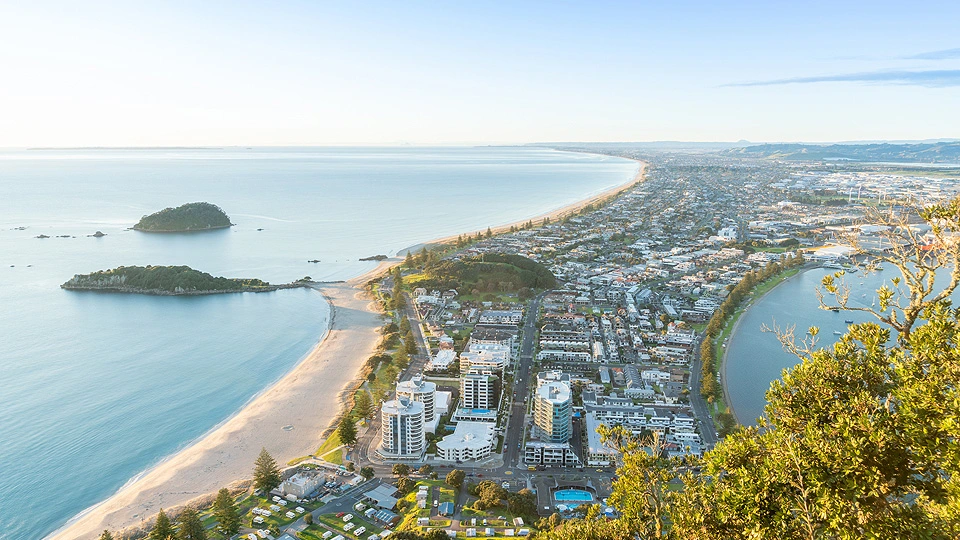
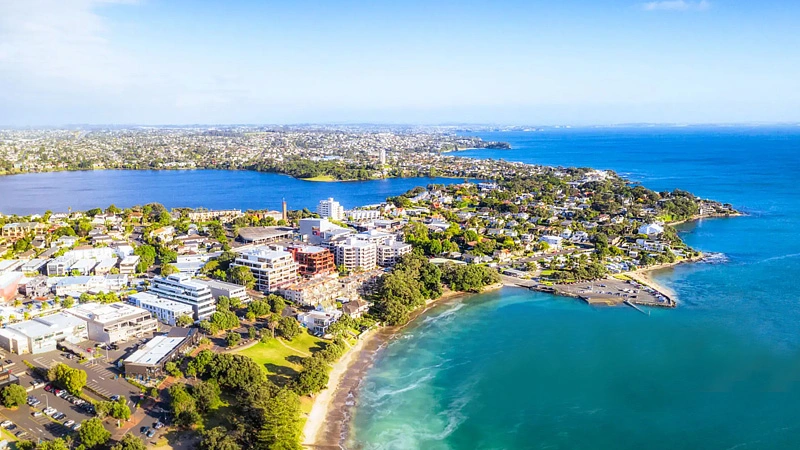
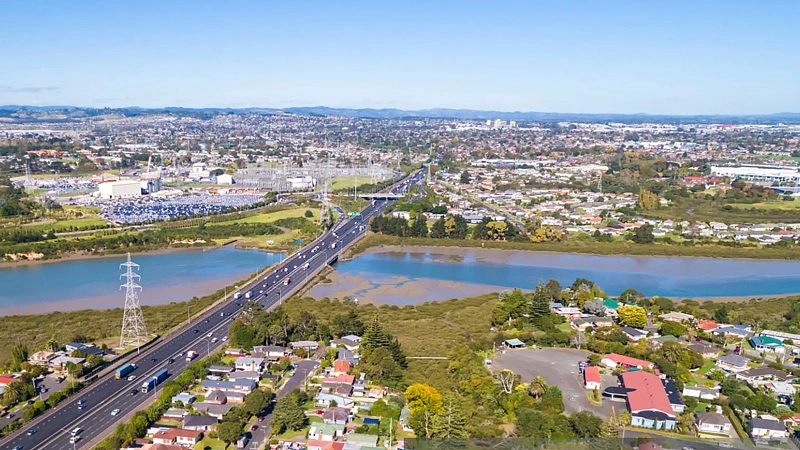
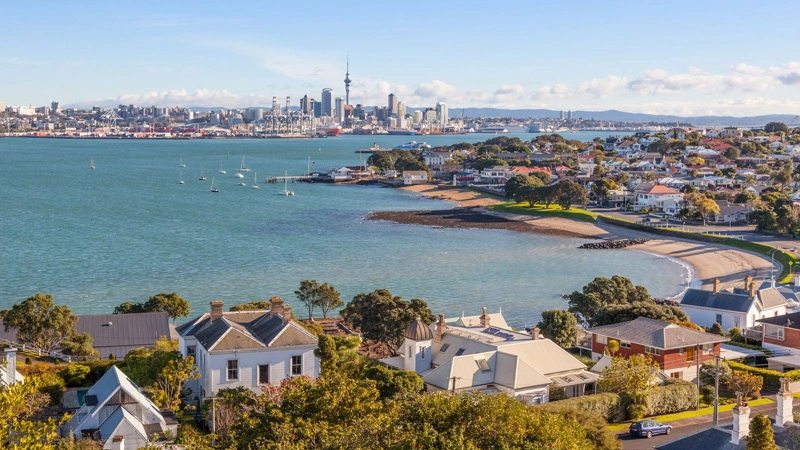
Auckland, Tauranga, Bay of Plenty (Waihi Beach, Omokoroa, Katikati), Thames-Coromandel (Thames, Whangamatā, Pauanui, Tairua), and Hauraki (Ngātea, Paeroa, Waihi).
You’re entitled to obtain your own independent valuation, and the reasonable cost of doing so is often recoverable as part of your compensation. An independent valuer works for you, not the acquiring authority.
We specialise in residential and lifestyle property compensation valuations across Auckland, Bay of Plenty, Thames-Coromandel and Hauraki.
Yes. Partial acquisitions are common under the Public Works Act, and we regularly assess the impact on the value of the remaining land (injurious affection) as well as the land taken.
An independent valuation gives you evidence to support your position in negotiations, and if necessary, in proceedings before the Land Valuation Tribunal.
Costs depend on the property and the compensation components involved (for example, whether injurious affection or temporary occupation also needs to be assessed). We provide a fixed quote before starting any work, and in most cases this cost is recoverable from the acquiring authority as part of your compensation.
Many homeowners engage both. A valuer establishes the compensation figures; a lawyer advises on your legal rights and negotiates the overall settlement. We’re happy to work alongside your lawyer, or refer you to one if you don’t already have one.
This is common, particularly on injurious affection or partial-acquisition assessments. Where figures differ, both valuations are typically used as the basis for negotiation. If agreement can’t be reached, the matter can go to the Land Valuation Tribunal, where your independent valuation serves as your evidence.
An independent valuation gives you evidence to support your position in negotiations, and if necessary, in proceedings before the Land Valuation Tribunal.
Independent, registered valuer — not engaged or influenced by the acquiring authority
Specialist in residential and lifestyle property compensation valuations across Auckland, Bay of Plenty, Thames-Coromandel and Hauraki
Clear, evidence-based reports suitable for negotiation or tribunal use
Straightforward communication throughout what can be a stressful process
Phone: +64 27 376 3729 | Email: info@terravaluations.co.nz